Suburban Sixties
Growing up in a small North Texas suburb back in the 60’s was an experience enjoyed by only a lucky few — and by “few”, I mean a few million. My hometown grew exponentially during the sixties and seventies but when I was young, the population hovered somewhere between ten- and twenty-thousand souls.
There were only four black-and-white channels available on the old RCA television and we didn’t have air conditioning in our home until the mid-sixties. Consequently, the kids in my neighborhood hung around outside where there was at least a breeze on most summer days.
We rode bikes — (sometimes long distances), climbed tall trees, played baseball, fought with other kids, “borrowed” construction site materials to build tree houses, and did all the stuff kids are supposed to do.
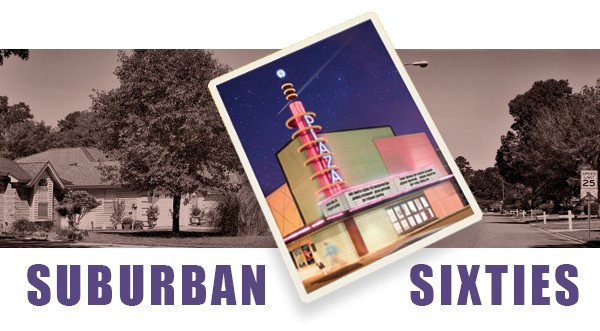
Perhaps the center of all small communities was the local theater, and we had ours. Back then, the cost of a Saturday matinee at the Plaza was thirty-five cents and they always ran double-features. The ushers were too lazy to check between movies so staying and watching the first movie again was standard practice.
After all, the theater was air-conditioned, and they had cheap snacks. Cokes were a dime and popcorn was fifteen cents. Best of all, a huge, stinky, dill pickle was only a nickel, and it made a pleasing splat when you threw it and hit the kid four rows ahead of you in the back of the head. And don’t even get me started on the ordnance value of Milk Duds.
Choosing the right theater seat was a serious science. Rule one: never sit down at the front. Apart from getting a crick in the neck from looking up the whole time, you were the primary target of every kid in the twenty-five rows behind you. Rule two: never sit in the very back because the older kids up in the balcony would throw lit cigarettes down on you.
One time, while watching “20,000 Leagues Under the Sea” with my older brother Bill and his friend Chuck, we go hit not once but twice with those smoldering little projectiles. After the second barrage, Chuck had endured enough. He actually broke off the wooden arm rest between two seats and hurled it into the balcony section.
When the pleasing sound of impact was followed by an even more pleasing, but urgent, sound of screaming, we decided it was time to leave and go across the street to McKnight’s Pharmacy — another excellent hang-out with an old-fashioned soda fountain bar.
But downtown wasn’t the only draw in that kids’ paradise. There were auto junkyards to explore and cotton fields with excellent clay soil for dirt-clod fights. There were friends’ houses to be wrapped with toilet paper, and foes’ houses just begging for more devious treatment.
There were dirt mounds and small creeks to be jumped with our bicycles — not always successfully, and there was our own community hospital for when luck failed to favor us. I personally visited that odd smelling emergency room on numerous occasions — two broken-leg visits, one broken-arm visit, and a twenty-stitch serious laceration visit.
That last one was 100% my older brother’s fault, and it happened just as we were leaving to go visit my dad who was holed up in another hospital following a heart attack. My mom dropped my brother and I off at the local hospital with explicit instructions for the nurse to make sure my older brother (the villain) watch every gorey detail of the suturing.
Unfortunately, my brother never fainted, and I believe that experience may have culminated in him later becoming a dentist where he inflicted pain on untold hundreds of victims (picture Steve Martin in “Little Shop of Horrors). Once, as he was about to start drilling on my tooth, he happened to mention the time I threw a Tonka truck at his head when we were kids. I swear he was grinning as I winced.
Perhaps, most important of all, we survived. I never quit climbing tall structures, riding fast motorbikes, and trying crazy stunts — usually soon after each of my broken bones had healed. Even the kid I nailed in the forehead with a fastball mud-clod, was right back out there a week after he came home from the hospital.
Is it any wonder then, that today’s kids — whose closest experience with risk is a violent video game — grow up to be emotional midgets who fall prey to whacked-out college professors with equal emotional shortcomings? What ever happened to living life instead of watching it play out on a giant wall-mounted LED screen? Just give me a juicy dill pickle and a room full of unsuspecting targets any time there’s a moving picture on the wall.
 Let’s talk. I’d really like to hear what you have to say, and it might even give me something to write about. Email me at guy@lawsoncomm.com.
I’ll buy you coffee and we can compare notes. I promise not to steal your ideas without permission.

A culture that allows the concept of “safety” to creep so far that it equates emotional discomfort with physical danger is a culture that encourages people to systematically protect one another from the very experiences embedded in daily life that they need in order to become strong and healthy.
― Jonathan Haidt

Did someone forward this newsletter to you after reading it themselves? Don’t settle for that!
CLICK HERE
to get a fresh, unused copy of this newsletter sent directly to you every Sunday morning. If you decide it stinks, you can always unsubscribe.

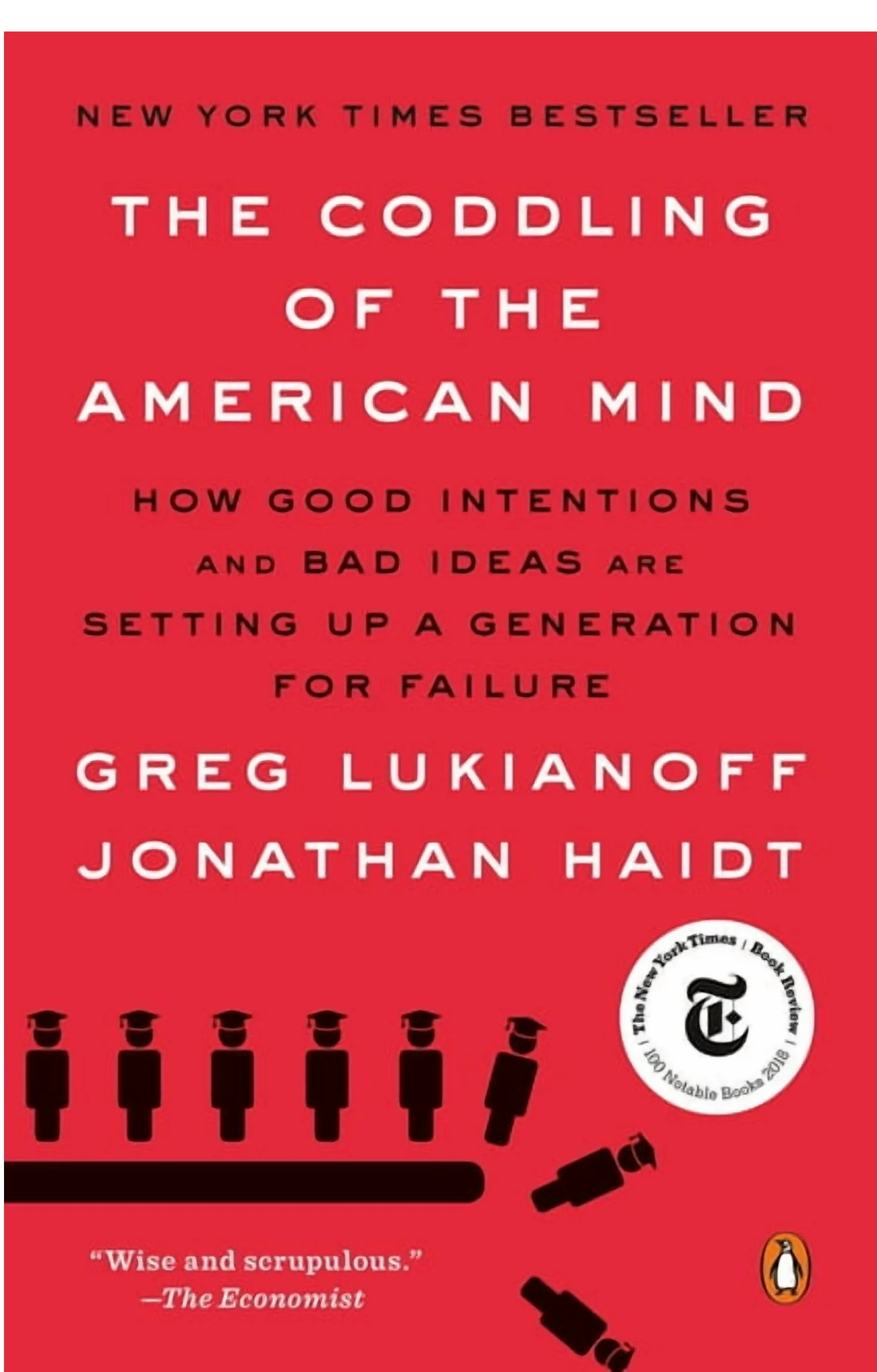
The Coddling of the American Mind
— Greg Lukianoff and Jonathan Haidt
A friend recommended this book a few weeks ago and I ordered it before I finished my previous Audible venture. The minute I saw Jonathan Haidt’s name on the cover, I knew it would be good. If you recognized the truth and wisdom in Haidt’s “The Anxious Generation”, you’ll love this book as well. FYI Russell, it’s a ten-hour book.
A meeting of great minds who think alike