Both Sides Now
Both Sides Now
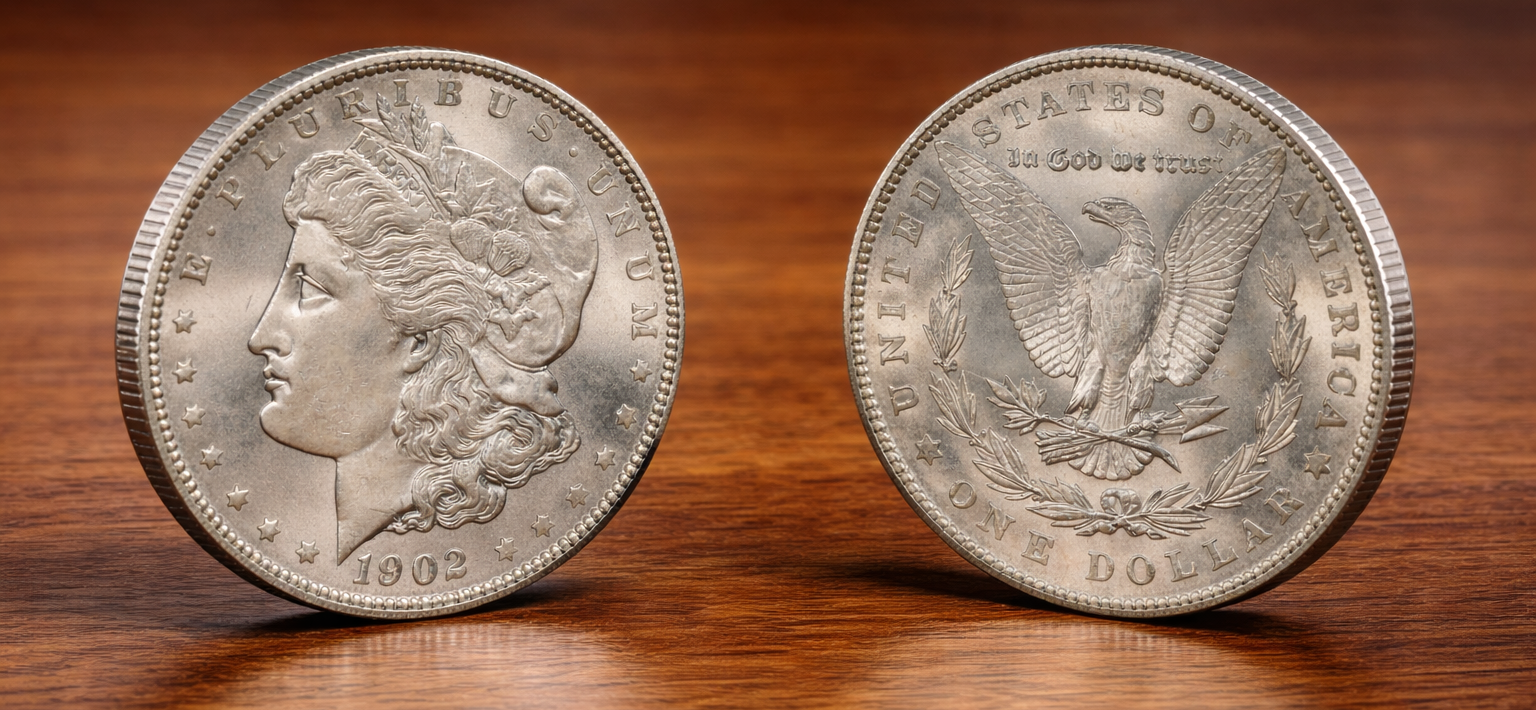
It’s peculiar how age revises one’s values and perspective so that we see both sides of the coin. In the late 60’s and early 70’s, I believed, like many of my peers, that escape to an altered reality — generally via recreational drugs — was a valid and worthwhile pursuit, whereas in my current stage of life, I find myself endeavoring by every means possible to maintain a cognitive grip on True North.
It seems, as Lewis Caroll discovered on the other side of the rabbit hole, that the boundary between creativity and madness is a thin gauzy curtain, that once traversed, can be a difficult route to retrace. And, while observing the White Knight talking backwards might be entertaining to a teenager, it veers uncomfortably close to dementia for an old fart like me.
I recently had a surgical procedure that required a strong general anesthetic and upon waking was gripped in a dream more visceral than any I’d ever experienced. “Eerie” would be a mild description. Fortunately, the anesthesiologist, having been forewarned of my reactions to general anesthesia, had me firmly secured to the gurney until I became lucid to the point of carrying on a rational conversation.
Even though the surgery was “minimally invasive”, the side effect was something like taking the inner parts of my anatomy and affixing them to a paint shaker for an extended session of rearrangement. Additionally, several neural pathways underwent sufficient trauma that much of my torso was numb for at least a week following the procedure. As it turns out, that lack of sensation was a blessing because as those nerves began to awaken, they were angry!
The good folks at the hospital sent me home with an adequate supply of opiates to assure my comfortable retracing of the path to normalcy — or at least as close as someone like me might approach that goal — but I found that those pain killers quickly whisked me back to a previous stage of life I now prefer to avoid.
Recreational choices weren’t the only misguided actions of my youth. If my memory were adequate, I’d attempt to create a diary of all the things that seemed perfectly normal to me as a teen (and even later in life), but at which I now shake my head.
The question is, “Do we sit around and rue our past misadventures, or do we learn from them and move on?” I’m not one for dwelling on failures of the past, but I do believe we can incorporate those events and the misguided thinking that led up to them into a clearer understanding of exactly where we’ve arrived and how we got here.
Thomas Edison made over a thousand failed attempts before finally hitting on the optimum design for the incandescent light bulb. Imagine if he’d spent even a single day fretting about each failure instead of moving forward with renewed confidence that he’d crossed one more errant design off his list.
Much of the misguided cultural philosophy of our time deals with generating guilt and shame about the failures of our past and our ancestors’ past. I say “hogwash!” Our history is the one thing we have absolutely no power to revise no matter how much we’d like to. Why not simply learn from those mistakes and move forward while exercising grace towards everyone around us with regards to their lack of pristine history?
Who knows? Twenty years down the road, we might even view our current actions as a mistake and wish we’d held onto some of those historical values we discarded for the sake of feeling better about ourselves today.
 Let’s talk. I’d really like to hear what you have to say, and it might even give me something to write about. Email me at guy@lawsoncomm.com.
I’ll buy you coffee and we can compare notes. I promise not to steal your ideas without permission.

 Let him that would move the world first move himself.
― Socrates

Did someone forward this newsletter to you after reading it themselves? Don’t settle for that!
CLICK HERE
to get a fresh, unused copy of this newsletter sent directly to you every Sunday morning. If you decide it stinks, you can always unsubscribe.

Cognitive Behavioral Therapy
by Jason M. Satterfield
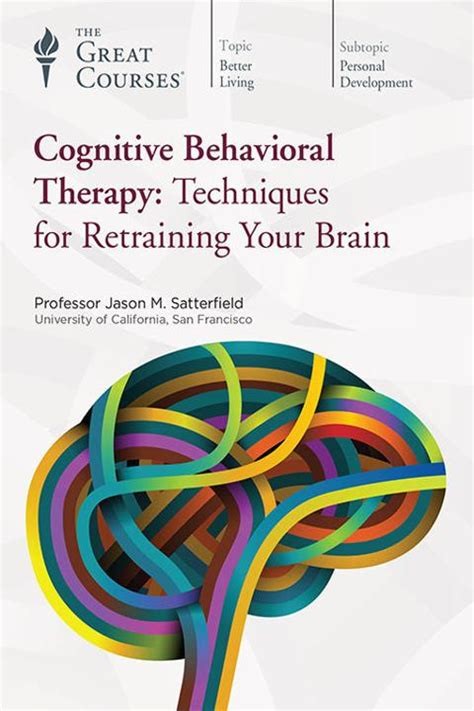
When I first encountered CBT over twenty years ago, my first reaction was that it was some gimmicky new trend. However, I now have to agree with many mental health professionals that it may soon replace Psychotherapy as an efficient and long-lasting treatment/cure for everything from depression to addictions — assuming of course that the practitioners of CBT are serious about recovery. This is no self-help book. It’s merely an introduction to a potential miracle.
A meeting of great minds who think alike