NOW
NOW
Back in the 1970’s, I was incarcerated at the University of Texas for a five-year stretch. This was in the days before student loans were given away like Halloween candy so, like most college students at that time, I was broke despite holding down two part-time jobs while attending classes. As a means of living on the cheap, I shared a two-bedroom apartment with three other guys.
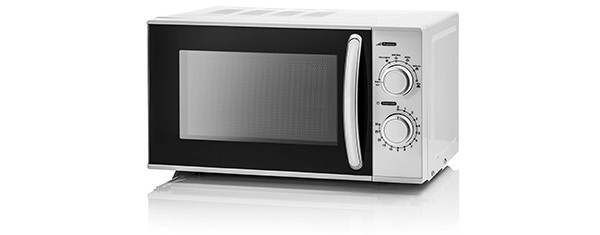
As it turned out, only three of us were destitute college students while our friend, Roger, had a full-time job — a well-paying office job at that. One day, Roger came in toting a microwave oven. Believe it or not, microwave ovens were a rarity back then. Although the technology had been around a while, mass production had not taken hold so that regular people — even gainfully employed people — didn’t yet have one in their home.
In short order, we were the hit of the apartment complex. The college girls in the apartment above ours came down to check out this new gadget. Other neighbors came by to see it. Even the apartment manager stopped over and was amazed that the little oven could boil a pint of water in only three minutes.
After a few weeks, the novelty wore off and only the girls upstairs continued to come by and cook the occasional item in our oven. Since one of my roommates and I were dating a couple of those girls, we could hardly turn them down, but I began to be suspicious that we were footing everyone’s electric bill.
One evening when my roommate’s girlfriend was cooking something in our little oven, I ran down to the end of the apartment complex and watched our electric meter, expecting it to be whirring off the wall since anything that cooked that quickly, had to be using a bucket-load of electricity. Surprisingly, our meter was just chugging along like all the others.
We soon took for granted the ability to rapidly heat up nachos and other snacks, although some foods still tasted better when slow cooked in a conventional oven. Today, nobody would even dream of waiting twenty minutes to boil water on a conventional range burner; microwaves are just a standard kitchen appliance.
A couple years ago, a good friend gave me an air-fryer, which matches the microwave for speed but manages to leave food tasting like it was cooked in a frying pan, and anyone who isn’t a backwards, wood-burning caveman knows that fried food is the only real food. These days, Paula and I eat a lot of dinners either cooked in the microwave or the air-fryer.
That got me to thinking about how much technology has been devoted to making things faster, though not necessarily better. I listen to audio books because its faster than reading. Plus, it’s easier to keep my eyes on the road while driving and enjoying a book at the same time. We have cable tv with hundreds of shows available immediately instead of having to read a tv-guide and plan out our evenings around our favorite shows.
For people born in this century, it’s probably impossible to imagine budgeting an extra thirty minutes each morning to walk to school as well as an extra hour-and-a-half in the afternoon to walk back home, given all the distractions. Is it any wonder then, that a whole new generation of employees gets mad and changes jobs after staying at a single place for only six months and not getting a promotion?
If any era in history goes down as the era of instant gratification, it will be ours. Politicians promise an instantly better world if we elect them. Pharmaceutical companies promise instant weight loss. If something news-worthy happens on the other side of the planet, we expect get a news alert about it on our phone within minutes.
I even get waffles out of my toaster in minutes rather than taking time to mix and cook the batter. If the Wendy’s drive-thru takes more than ten minutes to prepare and package a meal for our whole family, we’re tempted to honk the horn and ram the car ahead of us. We — you, I, and everyone on Earth — want it now!
I wonder what it was like to plant crops, depend on the weather while waiting for them to grow, harvest them, grind the meal, chop the wood for the stove, and cook food without electricity? I wonder if people had fewer ulcers and depression and road rage when everything wasn’t expected to happen “NOW”?
Hopefully, your Internet is working at top speed, so it won’t take more than two seconds for this email to open.
 Let’s talk. I’d really like to hear what you have to say, and it might even give me something to write about. Email me at guy@lawsoncomm.com.
I’ll buy you coffee and we can compare notes. I promise not to steal your ideas without permission.

Most men pursue pleasure with such breathless haste that they hurry past it.
— Soren Kierkegaard

Did someone forward this newsletter to you after reading it themselves? Don’t settle for that!
CLICK HERE
to get a fresh, unused copy of this newsletter sent directly to you every Sunday morning. If you decide it stinks, you can always unsubscribe.

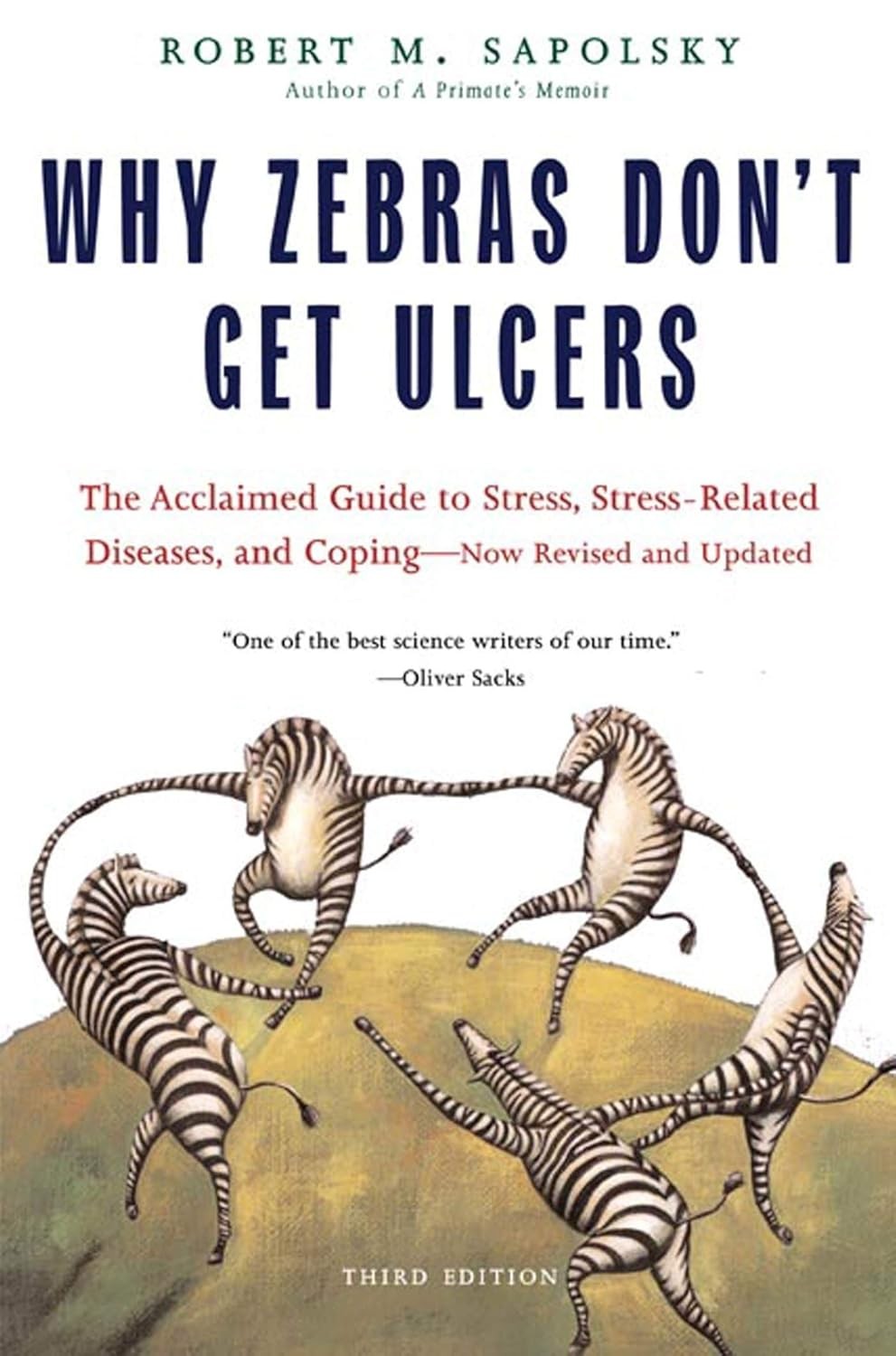
Why Zebras Don’t Get Ulcers
by Robert M. Sapolsky
I read this book over a year ago but it recently came up in a conversation I was having with a fellow at the gym. He was encouraging me not to walk for exercise but to walk slowly and think about life while I walk. He contended that the mental health benefits would outweigh the exercise benefits which I could derive through some other activity. It made sense.
A meeting of great minds who think alike